Splinterlands in 2026: the card battler that kept shipping
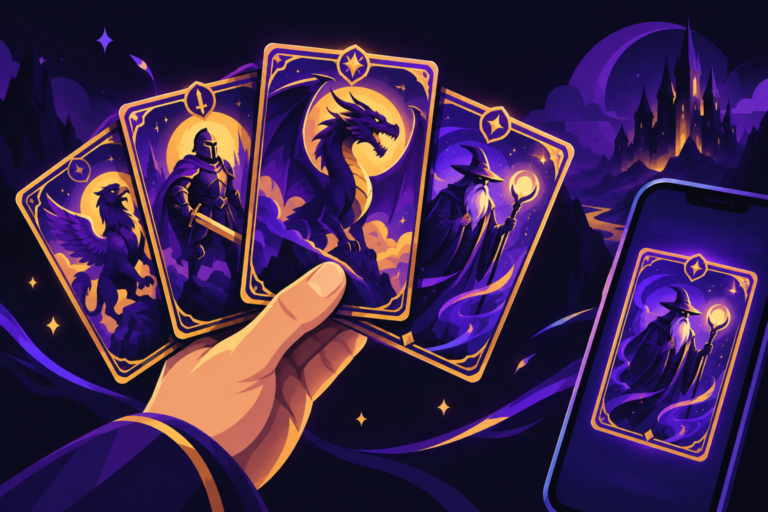
Splinterlands — the Hive-chain trading-card battler — is the counterexample to the NFT gaming obituary. Where the 2021-era cohort mostly shut down, went quiet or pivoted away, it kept releasing: a sixth core set in 2025, a complete ranked-rewards overhaul, and a token economy still run through an active DAO.
Where it stands now
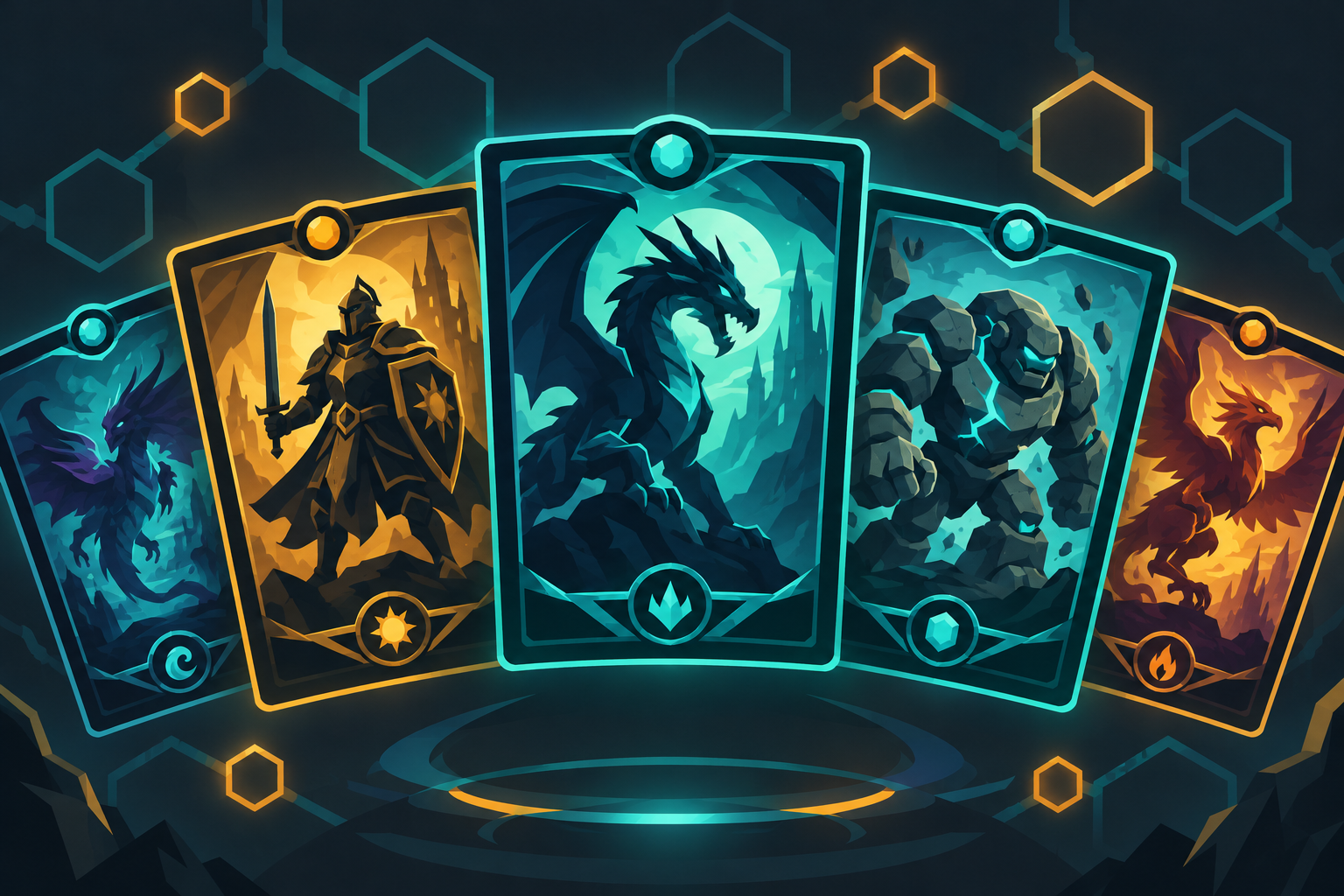
The game is live and actively developed. April 2025 brought Conclave Arcana — the sixth core set, launching with 82 cards — followed in October by the Conclave Arcana Reward Set: 43 new reward cards distributed through a rebuilt Ranked Battle Loot Chest system, with unbinding scrolls, tradeable Gold Foils, and weekly Fortune Draws for the ultra-rare Black Foil variants.
The economy, five years on
SPS — the governance token launched in mid-2021 — sits at roughly 1.55 billion circulating against a 3 billion cap, with over 241 million burned. Supply mechanics keep evolving: the May 2025 card-pack sale required DEC minted by burning SPS, cutting into circulating supply, and the DAO now holds around 508 million SPS locked for staked-holder voting. Land mechanics and validator nodes round out an economy that is still being tuned rather than abandoned.
Why it matters
Most of the games that defined the 2021 NFT wave are gone — of the tracked cohort, shutdowns and silent pivots are the norm. Splinterlands is what the alternative looks like: a smaller but persistent economy where the team kept shipping sets, kept publishing token data, and kept the DAO infrastructure running. That is the baseline honest expectation for any NFT game you evaluate today.
Sources
- Splinterlands — Introducing Conclave Arcana (Apr 2025)
- Splinterlands — Conclave Arcana Reward Set fact sheet (Oct 2025)
- Splintertalk — SPS token data: supply, burns, staking (Dec 2025)
Related: Game collectibles · Guides
What changed in the last year
Three concrete shifts matter for anyone evaluating Splinterlands in 2026. First, the ranked-rewards overhaul moved earnings away from raw match volume and toward league tier and card ownership — casual grinding pays far less than it did at peak. Second, land gameplay stayed in phased rollout: plots exist and are tradable, but the full resource-economy loop has taken longer than the original roadmap suggested. Third, the DAO now steers treasury spend and set releases through token-weighted votes, so card economics respond to governance rather than a single studio roadmap.
For a player deciding whether to buy in, the practical read is: the game is cheap to try (the Spellbook is a small one-time cost, and rentals cover the rest), deep for a digital TCG, and honest about being a niche product rather than the next big metaverse play.
Common questions
Is Splinterlands still active in 2026?
Yes — Splinterlands continues to run ranked seasons, release card sets and operate its marketplace on Hive. Player counts are far below the 2021 peak, so treat it as a niche TCG rather than a growth game.
What do you need to start playing Splinterlands?
A Hive account and a Summoner's Spellbook purchase (a one-time unlock). Cards are NFTs you can buy, rent or earn; you can start with a small rented deck before buying.
Can you still earn money in Splinterlands?
Ranked play pays SPS and cards, but rewards scale with league and collection power. Realistic earnings are modest — treat it as a card game first, income second.
Where do you trade Splinterlands cards?
The official market plus Hive-Engine markets; cards are Hive NFTs, so sales settle on Hive rather than Ethereum or Solana.
Is Splinterlands safe for beginners?
The main risks are the usual NFT ones — phishing links, fake marketplaces and overpaying for low-liquidity cards. Verify you are on splinterlands.com and start small.