Before you connect a wallet to an NFT game: a 10-minute safety pass
Most real losses in NFT gaming happen at the wallet layer — phishing sites, fake collections, and signature traps — not inside the games. This 10-minute pass covers the checks that matter before you connect a wallet anywhere.
1. Verify the URL letter by letter
Reach the game from its own documentation or verified social account — not from ads, DMs or search results, which are heavily gamed. Bookmark the real domain once confirmed.
2. Use a separate hot wallet
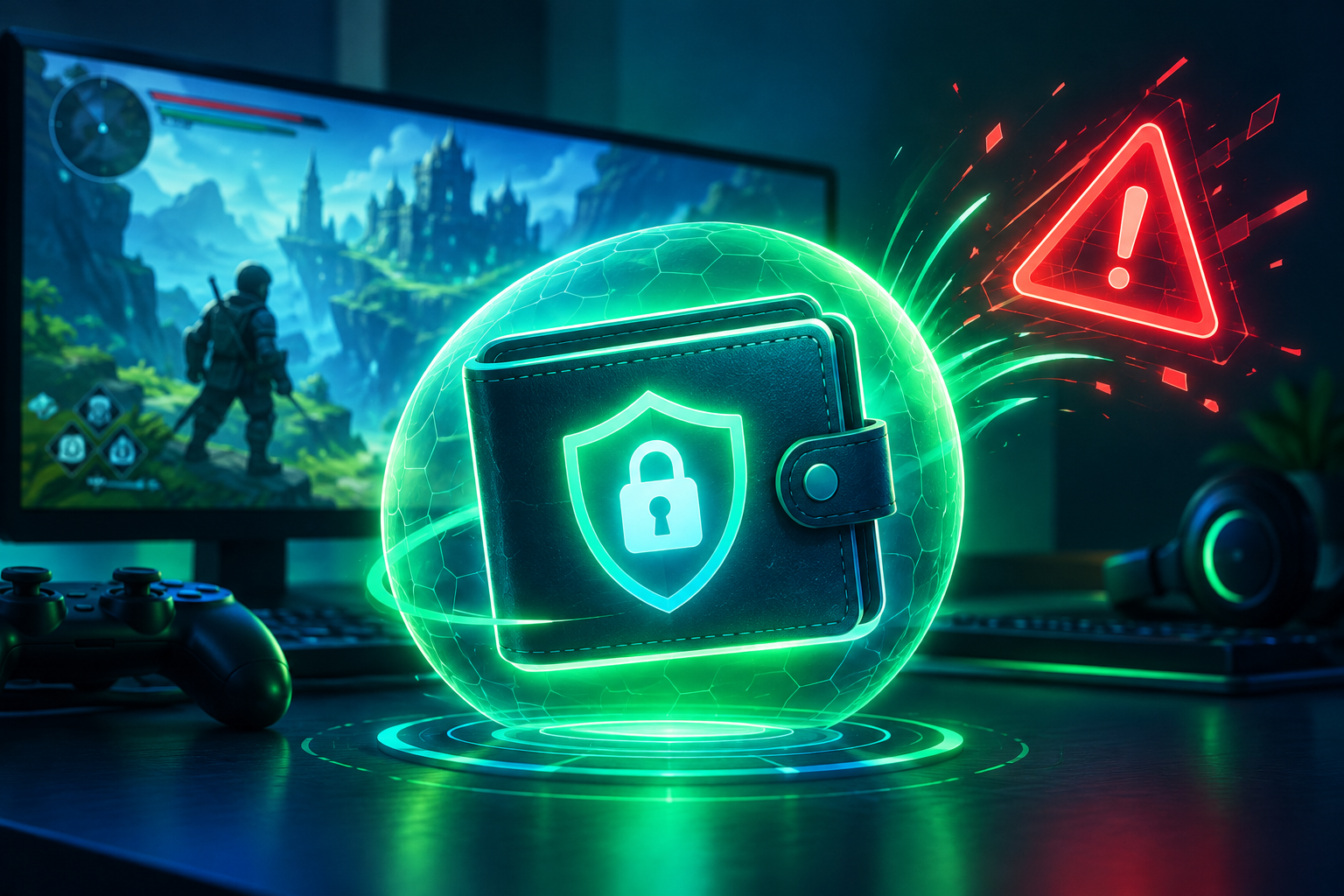
Keep game assets and small spending funds in a wallet that holds nothing else. Never connect the wallet that stores your long-term holdings to a game or marketplace.
3. Read every signature request
A game should only ask you to sign a login message or a specific asset approval. Any request to “approve” all tokens, or a blind signature with no readable action, is a scam — reject it.
4. Verify the collection contract
Buy assets only from the collection linked on the game’s official site. Near-identical fake collections are the most common trap — match the contract address, not just the name.
5. Revoke stale approvals
Periodically check and revoke old token approvals via a reputable approval-checker — leftover approvals let compromised contracts drain approved assets.
Sources: support.metamask.io, revoke.cash, opensea.io
What the pass looks like in practice
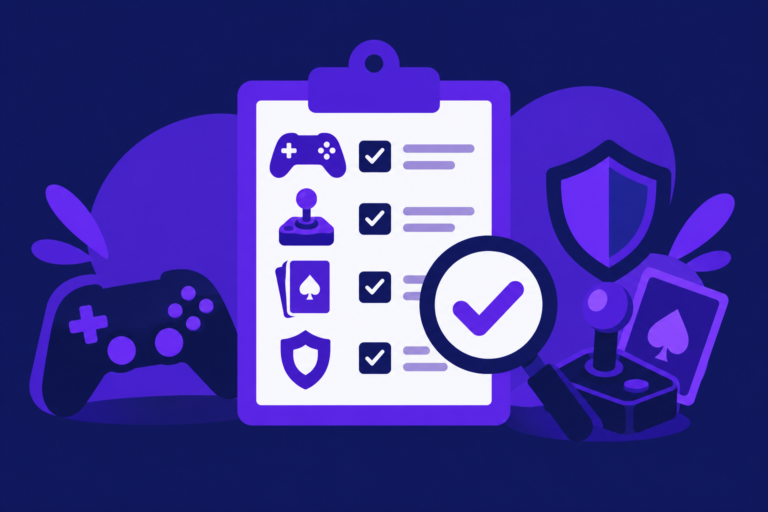
A wallet-safety pass for NFT games comes down to four checks: contract verification (the marketplace and token contracts match the official docs), permission hygiene (no blanket approvals to unknown spenders), seed-phrase discipline (never typed into a game or Discord DM), and a separation rule — a dedicated gaming wallet that never touches your main holdings. Run it once per game and once per wallet; it takes ten minutes and removes the failure mode that actually drains accounts.